
Hecht-Pharma GmbH
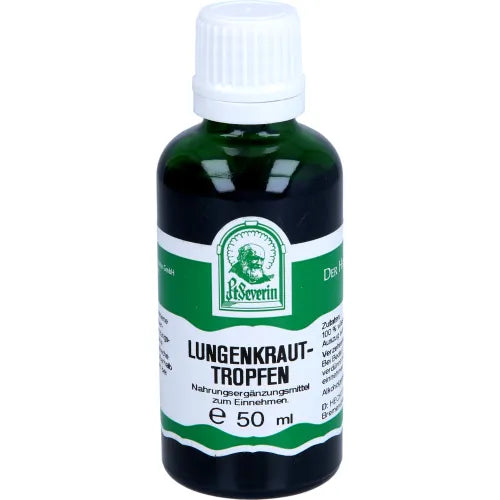
Lungwort oral drops
Lungwort oral drops
Couldn't load pickup availability
Lungwort oral drops
Dietary supplement Warning: Contains 66% alcohol by volume!
Use/Application/Recommended intake:
Take 10-20 drops diluted in a glass of water 2-3 times as needed.
Nutritional information:
none
Ingredients:
Lungwort drops contain a high-quality aqueous/alcoholic extract of lungwort. The extract is prepared according to pharmacopoeia specifications in a 1:5 ratio.
Allergens:
none
Net contents:
50 ml or 100
Storage conditions:
Store in a dry place at room temperature.
Country of origin:
Austria
Manufacturer's address:
Gall-Pharma GmbH
Grünhüblgasse 25
8750 Judenburg
Further information:
Hildegard von Bingen already used lungwort in the form of lungwort wine for the lungs and bronchi. Key constituents of lungwort include mucilage, flavonoids, allantoin, and silicic acid. Today, lungwort is primarily used in folk medicine. As the name suggests, lungwort is traditionally used primarily for its beneficial effects on the respiratory system.
The stated recommended daily intake must not be exceeded. Food supplements are not a substitute for a balanced and varied diet and a healthy lifestyle. Keep out of reach of small children.
Last updated: 05/2026
Lungwort drops contain a high-quality aqueous/alcoholic extract of lungwort. The extract is prepared according to pharmacopoeia specifications in a 1:5 ratio. Allergens: none
Lungwort oral drops benefits:
Lungwort oral drops
(typically derived from Pulmonaria officinalis)
are a traditional herbal remedy primarily used to support respiratory health, acting as an expectorant to loosen mucus and as a demulcent to soothe irritated airways. While scientific evidence in humans is limited, it has been used in European folk medicine for centuries.
Key Potential Benefits
Respiratory Support: Used for chronic bronchitis, coughs, asthma, and sore throats, as the leaves contain high amounts of mucilage, tannins, and silica, which help soothe inflamed tissues and aid in expelling phlegm.
Antioxidant Properties: Contains flavonoids and phenolic acids (like rosmarinic acid) that may help protect cells from oxidative stress.
Anti-inflammatory: Studies indicate potential anti-inflammatory effects that may help reduce swelling in the airways.
Gastrointestinal and Urinary Aid: Occasionally used for diarrhea, hemorrhoids, and urinary tract infections due to its astringent and diuretic properties.
Common Uses and Dosage Usage:
Often used as an adjunct in treating persistent coughs or smokers' coughs.Tincture
Dosage: A typical dosage for lungwort tincture is 1–4 ml, three times a day, often diluted in water.
Another recommendation is 2–3 x 10–20 drops.Safety and PrecautionsDistinction: Do not confuse lungwort (Pulmonaria) with lungmoss (Lobaria pulmonaria), which is a different organism.
Liver Safety: Some species of the Boraginaceae family can contain small amounts of pyrrolizidine alkaloids (PAs), which can be harmful to the liver; however, P. officinalis is generally considered to have trace or negligible amounts.
Precautions: It is generally recommended not to use lungwort for more than 3 weeks consecutively. Avoid if pregnant or nursing.
Origin: Austria
Storage: Room temperature, dry
Dosage: 2‑3 × 10‑20 drops diluted with water
Lungwort oral drops
Share